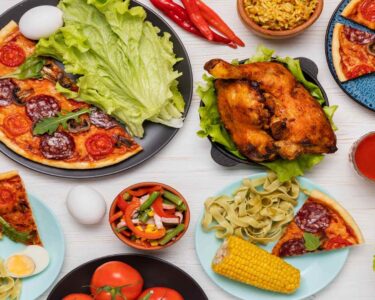


Food habits are changing quickly, and Gen Z is leading the shift toward healthier and more sustainable eating. Many young consumers are focusing on balanced nutrition, plant-based meals, and protein-rich foods that support an active lifestyle. As awareness about health, fitness, and environmental impact grows, healthy food for Gen Z is becoming a major topic across social media, wellness platforms, and food communities.
In 2026, many young adults are choosing meals that combine plant-based ingredients with high-protein options. This trend reflects a broader movement toward mindful eating and sustainable food choices. A plant based diet Gen Z approach does not always eliminate meat completely, but it encourages more vegetables, grains, legumes, and plant proteins in daily meals.
At the same time, fitness culture and active lifestyles have increased interest in high protein foods for young adults. From protein snacks to nutrient-dense meals, Gen Z is prioritizing foods that provide energy, support muscle health, and promote long-term wellness. These healthy eating trends 2026 are shaping the future of the global food industry.
Why Gen Z Is Choosing Healthier Foods

The shift toward healthy food for Gen Z is influenced by several factors, including wellness awareness, fitness culture, and environmental concerns. Many young adults now pay close attention to food labels, ingredient quality, and nutritional value when selecting meals. Social media platforms and health influencers also play a major role in promoting healthy eating trends 2026.
A plant based diet Gen Z approach has gained popularity because it supports both personal health and sustainability. Young consumers are increasingly aware of how food choices affect the environment, which encourages them to explore plant-based alternatives. At the same time, many individuals are searching for high protein foods for young adults that help maintain energy levels, support workouts, and improve overall health. As a result, healthy food choices now focus on nutrient density, balanced meals, and natural ingredients. This growing awareness is one of the biggest reasons why healthy eating trends 2026 continue to grow among younger generations.
Plant-Based Diet Growth Among Gen Z
The rise of the plant based diet Gen Z movement is one of the most significant healthy eating trends 2026. Many young adults are reducing meat consumption and exploring plant-based alternatives that provide similar taste and nutrition. Restaurants, food brands, and grocery stores are expanding plant-based options to meet the growing demand for healthy food for Gen Z.
Plant-based meals often include vegetables, legumes, grains, nuts, and seeds that provide essential vitamins and minerals. These foods also contain fiber and antioxidants that support long-term wellness. For many individuals, a plant based diet Gen Z lifestyle is not about strict veganism but about increasing the proportion of plant foods in everyday meals. Combining plant ingredients with high protein foods for young adults such as lentils, chickpeas, tofu, and quinoa helps maintain balanced nutrition. Because of these benefits, plant-based eating has become a central part of healthy eating trends 2026 and continues to shape how Gen Z approaches daily nutrition.
High Protein Foods for Young Adults

Protein consumption has become a major focus for Gen Z, especially among individuals who follow fitness routines or active lifestyles. High protein foods for young adults help support muscle development, improve energy levels, and maintain balanced nutrition. Many healthy food for Gen Z meal plans now emphasize protein-rich ingredients combined with vegetables and whole grains.
Protein sources can come from both plant and animal products. Popular plant-based protein options include tofu, beans, lentils, chickpeas, quinoa, and nuts. These ingredients align perfectly with the plant based diet Gen Z trend while still providing strong nutritional value. Animal-based options such as eggs, yogurt, fish, and lean poultry also remain popular for those who include meat in their diet. Many healthy eating trends 2026 emphasize combining protein with fiber-rich foods to create balanced meals that keep people satisfied for longer periods. Because of the growing interest in nutrition and fitness, high protein foods for young adults continue to be a core element of Gen Z’s evolving food habits.
Healthy Breakfast Trends
Breakfast habits are changing as more young people choose nutrient-dense meals to start their day. Healthy food for Gen Z breakfasts often include balanced combinations of protein, fiber, and natural ingredients that provide sustained energy. Many of these meals align with the plant based diet Gen Z approach while also supporting active lifestyles.
Popular breakfast choices include smoothie bowls, overnight oats, avocado toast, and protein-rich yogurt bowls. These meals can easily incorporate high protein foods for young adults such as chia seeds, peanut butter, almonds, or protein powder. Social media platforms frequently highlight these breakfast ideas, making them part of broader healthy eating trends 2026. Because these meals are quick to prepare and visually appealing, they are widely shared online and adopted by young consumers. The combination of convenience, nutrition, and creativity ensures that healthy breakfast options remain a key component of healthy food for Gen Z.
Healthy Snacks Popular With Gen Z
Snacking habits among younger generations are also evolving. Instead of traditional junk food, many young consumers are choosing healthier snack options that provide both taste and nutrition. Healthy food for Gen Z snacks often include natural ingredients and balanced nutrients that help maintain energy throughout the day.
Many snack options now include high protein foods for young adults such as nuts, seeds, protein bars, yogurt, and roasted chickpeas. These snacks support active lifestyles and prevent energy crashes between meals. At the same time, plant-based options such as fruit bowls, hummus with vegetables, and nut butter snacks align with the plant based diet Gen Z movement. These choices reflect broader healthy eating trends 2026 that emphasize mindful snacking and better ingredient quality. Because these snacks are easy to carry and quick to eat, they fit perfectly into the busy routines of students and young professionals.
Functional Foods and Superfoods

Functional foods are becoming an important part of healthy food for Gen Z. These foods provide additional health benefits beyond basic nutrition, such as improved digestion, stronger immunity, and better energy levels. Many healthy eating trends 2026 focus on incorporating superfoods and nutrient-dense ingredients into daily diets.
Examples of functional foods include berries, chia seeds, turmeric, green tea, and fermented foods such as yogurt or kimchi. These ingredients are often included in plant based diet Gen Z meals because they provide natural nutrients and antioxidants. Some of these foods also contain plant-based protein, making them helpful as high protein foods for young adults when combined with other ingredients. Social media platforms frequently promote superfood recipes and wellness drinks, which encourages young consumers to experiment with new healthy ingredients. As awareness about nutrition grows, functional foods continue to shape healthy eating trends 2026 and influence how Gen Z approaches long-term wellness.
Sustainable and Ethical Food Choices
Sustainability has become a major factor in healthy food for Gen Z decisions. Many young consumers now consider the environmental impact of the foods they purchase and prefer brands that support ethical sourcing and responsible production methods. This awareness is closely connected to the growth of the plant based diet Gen Z movement.
Plant-based meals typically require fewer resources to produce compared to traditional meat-heavy diets, which is one reason they are gaining popularity among environmentally conscious consumers. At the same time, choosing locally sourced foods and reducing food waste are also part of healthy eating trends 2026. Many high protein foods for young adults now come from sustainable sources such as plant proteins, legumes, and alternative protein products. These choices allow individuals to maintain a balanced diet while also supporting environmental responsibility. As sustainability continues to influence food culture, these habits will likely remain an important part of Gen Z’s eating patterns.
The Future of Healthy Eating for Gen Z
The future of healthy food for Gen Z will likely focus on a combination of nutrition, sustainability, and convenience. As awareness about wellness grows, more young consumers will continue exploring plant-based meals, high-protein diets, and natural ingredients that support long-term health.
The plant based diet Gen Z movement is expected to expand as more food companies introduce innovative plant-based products and protein alternatives. At the same time, high protein foods for young adults will remain essential for individuals focused on fitness and active lifestyles. These habits represent some of the most influential healthy eating trends 2026 and will continue shaping the global food industry in the years ahead.
Frequently Asked Questions
1. What healthy foods are popular with Gen Z?
Healthy food for Gen Z often includes plant-based meals, smoothie bowls, protein snacks, whole grains, and nutrient-rich vegetables. These foods provide balanced nutrition while supporting active lifestyles.
2. Why is the plant based diet Gen Z trend growing?
Many young consumers choose plant-based foods because they support health, sustainability, and environmental awareness. Plant-based meals also provide essential nutrients and natural ingredients.
3. What are some high protein foods for young adults?
High protein foods for young adults include eggs, yogurt, beans, lentils, tofu, nuts, seeds, fish, and lean meats. These foods help support muscle health and maintain energy levels.
4. What are the biggest healthy eating trends 2026?
Healthy eating trends 2026 include plant-based diets, protein-rich meals, functional foods, healthy snacking, and sustainable food choices.
5. How can Gen Z maintain a balanced diet?
A balanced diet includes vegetables, fruits, whole grains, protein sources, and healthy fats. Combining plant-based ingredients with high-protein foods helps maintain overall health and energy levels.