


 By
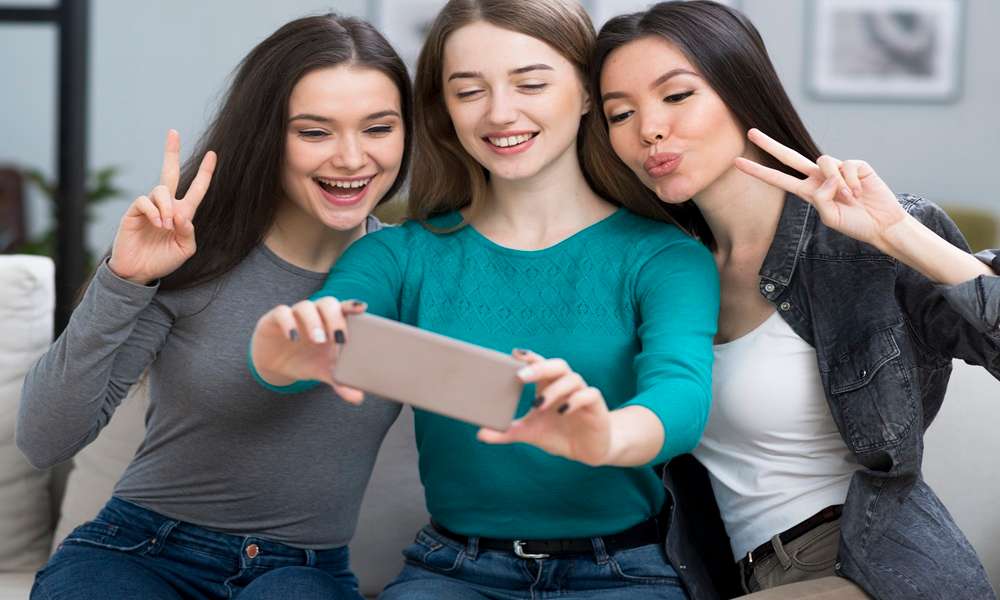
By Generation Z continues to reshape culture, technology, business, and digital behavior across the world. Born roughly between 1997 and 2012, Gen Z grew up surrounded by smartphones, social media platforms, online communities, and instant access to information. By 2026, this generation has become one of the most influential consumer groups, shaping how brands communicate, how people work, and how digital culture evolves.
Unlike previous generations, Gen Z prioritizes authenticity, flexibility, digital connection, and personal well-being. They prefer brands that are transparent, socially responsible, and aligned with their values. Their lifestyle choices reflect a mix of digital innovation, sustainability awareness, creative expression, and financial independence. Understanding these lifestyle patterns is essential for businesses, creators, marketers, and anyone looking to connect with the Gen Z audience.
This Gen Z Generations Guide explores the most important lifestyle trends defining Gen Z in 2026, from career choices and social media behavior to fashion, wellness, and digital habits.
The Digital-First Lifestyle of Gen Z
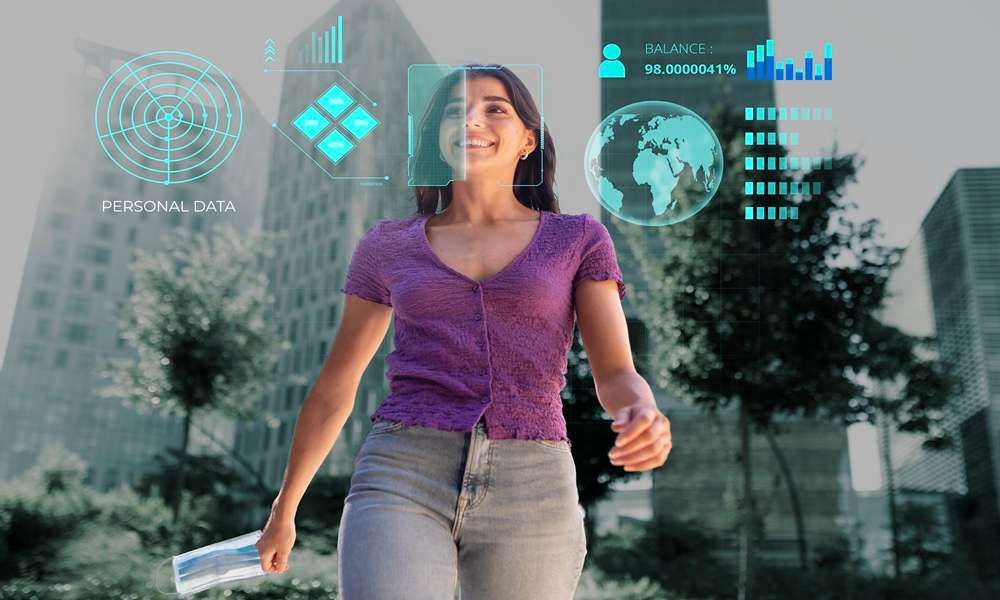
One of the most defining traits of Gen Z is their digital-first lifestyle. This generation has never experienced a world without the internet. Smartphones, cloud technology, streaming services, and social platforms are deeply integrated into their daily routines. From communication to shopping, education, and entertainment, most Gen Z activities happen online.
In 2026, Gen Z relies heavily on short-form video platforms, digital communities, AI-powered tools, and personalized content feeds. They expect instant responses, seamless online experiences, and mobile-friendly platforms. For businesses and creators, this means websites, services, and communication strategies must prioritize mobile optimization and digital engagement.
Gen Z also values digital creativity. Many individuals create content, run online businesses, manage personal brands, or participate in digital communities that align with their interests and passions.
Career Flexibility and the Rise of Digital Work
Traditional career paths are rapidly evolving due to Gen Z’s preferences for flexibility and independence. In 2026, many Gen Z professionals are choosing freelance work, remote jobs, creator economies, and digital entrepreneurship instead of traditional nine-to-five employment structures.
The rise of remote work, online marketplaces, and digital platforms has opened new opportunities for Gen Z individuals to build careers from anywhere. Many are pursuing multiple income streams, including freelancing, affiliate marketing, influencer collaborations, digital services, and online consulting.
For Gen Z, job satisfaction is strongly connected to work-life balance, meaningful work, and the ability to grow personally and professionally. They often prioritize flexibility, mental well-being, and creative freedom over traditional corporate structures.
Social Media as a Lifestyle Hub
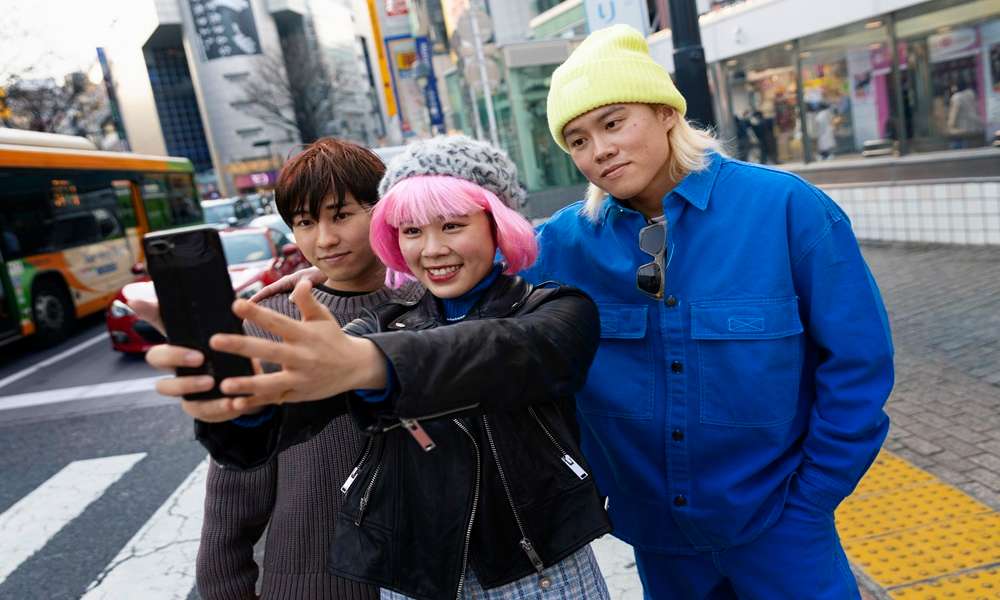
Social media platforms play a major role in shaping Gen Z lifestyles. In 2026, social media is no longer just a place for entertainment or communication. It functions as a discovery engine for trends, businesses, learning resources, and communities.
Gen Z users follow creators, experts, entrepreneurs, and niche communities that provide educational content, lifestyle inspiration, and career guidance. Social platforms influence purchasing decisions, fashion choices, travel plans, and even financial habits.
Authenticity remains the most important factor for Gen Z when consuming social media content. They prefer genuine creators, honest reviews, and real-life experiences over overly polished advertising campaigns.
Minimalist and Sustainable Fashion
Fashion trends among Gen Z in 2026 reflect a shift toward sustainability, individuality, and minimalist design. Fast fashion is gradually losing popularity as Gen Z consumers become more aware of environmental impact and ethical production practices.
Instead of constantly buying new clothing, many Gen Z individuals prefer thrift shopping, sustainable brands, and capsule wardrobes that focus on quality over quantity. Vintage styles, comfortable streetwear, and personalized fashion choices continue to dominate Gen Z fashion culture.
Fashion is also a form of self-expression for Gen Z. People mix styles, experiment with colors, and create unique combinations that represent their personality rather than simply following traditional fashion rules.
Mental Health and Wellness Awareness
Mental health awareness is one of the most important lifestyle priorities for Gen Z in 2026. Unlike previous generations, Gen Z openly discusses mental health, stress management, emotional well-being, and personal growth.
Meditation apps, wellness communities, digital therapy platforms, and mindfulness practices have become common tools for managing stress and improving mental clarity. Many Gen Z individuals actively seek balance between work, digital engagement, and personal life.
Wellness trends also include fitness routines, healthier diets, sleep optimization, and self-care habits. This generation values holistic well-being and recognizes the importance of maintaining both mental and physical health.
The Creator Economy and Personal Branding
In 2026, personal branding has become a core part of the Gen Z lifestyle. Many young individuals are building digital identities through content creation, blogging, video production, podcasting, or niche expertise sharing.
The creator economy allows Gen Z individuals to monetize their skills, creativity, and knowledge through brand collaborations, affiliate marketing, digital products, and community memberships. Platforms that support creators continue to grow as more people pursue independent careers online.
Authenticity plays a major role in personal branding success. Gen Z audiences quickly recognize forced marketing or inauthentic messaging, which is why genuine storytelling and transparent communication are essential.
Financial Independence and Smart Spending
Gen Z approaches money differently compared to previous generations. In 2026, financial independence is a major priority for young professionals and digital entrepreneurs. Many Gen Z individuals are learning about investments, budgeting, online income streams, and financial planning at an early stage.
Mobile banking apps, investment platforms, and financial education resources are widely used among Gen Z users. They actively explore passive income opportunities and long-term financial growth strategies.
Despite economic uncertainties, Gen Z tends to focus on smart spending rather than impulsive purchases. Value-driven consumption and digital financial tools play a major role in shaping their financial habits.
Online Learning and Skill Development
Education continues to evolve as Gen Z adopts new learning methods in 2026. Traditional education systems are increasingly supplemented by online courses, digital training programs, and skill-based learning platforms.
Gen Z learners prefer flexible education models that allow them to acquire practical skills quickly. Many focus on digital marketing, coding, AI tools, content creation, entrepreneurship, and business development.
Continuous learning has become a lifestyle habit rather than a one-time academic phase. Gen Z professionals often invest in new skills to stay competitive in rapidly changing digital industries.
Community Driven Culture
Gen Z strongly values communities built around shared interests, values, and passions. Online forums, niche groups, and digital networks allow individuals to connect with like-minded people regardless of location.
Communities focused on technology, creativity, entrepreneurship, fitness, gaming, and personal development continue to grow in 2026. These communities provide support, collaboration opportunities, and knowledge sharing that contribute to personal growth.
Brands that successfully build communities rather than simply selling products often gain stronger loyalty from Gen Z audiences.
The Future of Gen Z Lifestyle
As Gen Z continues to grow in influence, their lifestyle choices will shape industries, marketing strategies, and digital innovation. Their preference for transparency, flexibility, sustainability, and digital connection will guide the evolution of modern culture.
Businesses, educators, and organizations that understand these values will be better positioned to engage with the next generation. The Gen Z lifestyle is not only about technology but also about authenticity, creativity, and meaningful experiences.
Looking ahead, Gen Z will continue to redefine how people work, communicate, consume content, and build communities. Their influence will remain a driving force behind many cultural and economic changes in the coming years.
Frequently Asked Questions (FAQs)
1. What defines the Gen Z lifestyle in 2026?
The Gen Z lifestyle in 2026 is defined by digital connectivity, flexible work culture, sustainability awareness, and strong community engagement. This generation prioritizes authenticity, mental wellness, and creative expression. Gen Z individuals actively use technology to manage work, social interactions, and entertainment while focusing on personal growth, financial independence, and meaningful experiences.
2. Why is digital technology important for Gen Z?
Digital technology plays a central role in Gen Z’s daily life because they grew up with smartphones, internet access, and social media platforms. Technology supports communication, learning, work opportunities, and entertainment. Gen Z also uses digital tools for content creation, personal branding, and online business, making technology a key part of their lifestyle and professional development.
3. How does Gen Z approach career choices?
Gen Z often prefers flexible career paths that allow remote work, freelancing, and creative freedom. Many individuals explore digital careers, online entrepreneurship, and multiple income streams. Instead of following traditional job structures, they focus on meaningful work, skill development, and work-life balance while building careers that align with their interests and personal goals.
4. What role does social media play in Gen Z culture?
Social media is a major influence on Gen Z culture, shaping trends, communication styles, and purchasing behavior. Platforms act as discovery engines where users find new brands, ideas, and communities. Gen Z values authentic content and often trusts creators, influencers, and community discussions when making lifestyle or buying decisions.
5. Why is sustainability important to Gen Z?
Sustainability matters to Gen Z because they are highly aware of environmental issues and global challenges. Many Gen Z consumers prefer brands that demonstrate ethical production, responsible sourcing, and eco-friendly practices. Their purchasing decisions often reflect a desire to support businesses that align with environmental responsibility and long-term sustainability goals.
6. How does Gen Z prioritize mental health?
Mental health awareness is a major priority for Gen Z. They openly discuss emotional well-being, stress management, and self-care practices. Many individuals use wellness apps, meditation tools, therapy platforms, and supportive communities to maintain mental balance. This generation encourages conversations around mental health and promotes healthier lifestyle habits.
7. What is the creator economy and why does Gen Z support it?
The creator economy allows individuals to earn income by producing digital content, sharing expertise, or building online communities. Gen Z strongly supports this model because it provides independence and creative control. Many young creators use platforms to monetize videos, blogs, podcasts, digital products, and collaborations with brands.
8. How does Gen Z manage finances?
Gen Z is becoming increasingly interested in financial literacy and smart money management. Many young individuals use mobile banking apps, budgeting tools, and investment platforms to track their finances. They focus on building savings, exploring passive income opportunities, and making informed financial decisions that support long-term stability.
9. Why is online learning popular among Gen Z?
Online learning is popular because it offers flexibility and access to practical skills. Gen Z often prefers digital courses, tutorials, and training programs that help them learn quickly and apply knowledge in real-world situations. This approach allows them to continuously upgrade their skills in areas such as technology, marketing, and entrepreneurship.
10. How will Gen Z influence future lifestyle trends?
Gen Z will continue shaping global lifestyle trends through their digital behavior, social values, and innovative thinking. Their focus on sustainability, technology, creativity, and mental wellness will influence industries ranging from fashion and education to business and media. As their economic influence grows, Gen Z will redefine modern culture and consumer expectations.