
TL;DR: Millennials were born 1981–1996 and adopted the internet as it grew; Gen Z (1997–2012) was born into it. Millennials favour Facebook and Instagram, Gen Z prefers TikTok and short video; Gen Z is often more money-cautious and more open about mental health.
Side-by-side comparison
| Topic | Millennials | Gen Z |
|---|---|---|
| Birth years | 1981–1996 | 1997–2012 |
| Age in 2026 | 30–45 | 14–29 |
| Tech | Adopted the internet | Born into it |
| Main platforms | Facebook, Instagram, WhatsApp | TikTok, Instagram, YouTube, Snapchat |
| Content style | Polished, curated | Raw, authentic, short-form |
| Money mood | Hit by 2008 crisis | Cautious, side hustles |
| Work | Purpose + perks | Purpose + flexibility + boundaries |
Humour and style
Millennials gave us rage comics, “adulting” and skinny jeans; Gen Z brought absurd memes, ironic captions and baggy fits. The side-part vs middle-part debate lives on. See Gen Z Fashion Trends: What Is Gen Z Wearing?.
What they share
Both care about purpose at work, experiences over things, and brands that are honest. Many Millennials are Gen Z’s managers, parents or older siblings.
Zillennials
People born around 1995–1997 blend both – see What Years Are Gen Z? Gen Z Birth Years Explained.
Childhood tech: dial-up vs smartphones
Many Millennials remember the sound of dial-up internet, MSN or Orkut, and getting their first mobile phone as teenagers. Gen Z grew up with Wi-Fi, touchscreens and YouTube; many had a smartphone before high school. That single difference explains a lot: Millennials learned to adapt to each new platform, while Gen Z expects technology to just work and moves quickly between apps.
Money: different shocks, similar caution
Older Millennials entered the job market around the 2008 financial crisis, which delayed careers and savings for many. Gen Z watched that from childhood and then faced the pandemic and rising living costs themselves. Both generations are careful with money, but Gen Z tends to start earlier – with side hustles, digital investing apps and budgeting tools. See Gen Z Money: Spending, Saving and Financial Habits.
Work: purpose vs boundaries
Millennials made “purpose-driven work” mainstream and helped normalise remote work and flexible perks. Gen Z builds on that and adds clearer boundaries: logging off after hours, discussing mental health openly and changing jobs if growth or pay stalls. Many Millennials now manage Gen Z teams, which is why workplace communication styles are a hot topic. See Gen Z Workplace: What Does Generation Z Want From Work?.
Communication and humour
Millennials often use emojis like 😂 and 👍, full sentences and Facebook-style updates. Gen Z prefers voice notes, lowercase texts, memes, 💀 and 😭, and inside jokes that spread through short videos. Neither style is better – but mixing them can cause confusion, like a full stop that feels “angry” to a Gen Z reader. See Popular Gen Z Words, Phrases and Expressions.
Shopping and brands
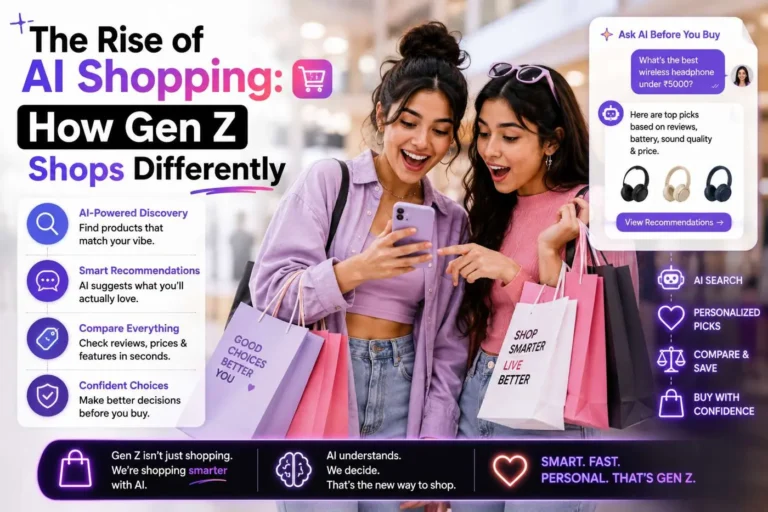
Millennials grew up with brand loyalty and the early influencer era. Gen Z is more likely to research across creators, reviews and AI tools, compare dupes and resale options, and switch brands if values or quality disappoint. See Gen Z Consumer Behavior: How Generation Z Makes Buying Decisions.
Which one are you?
If you were born between 1981 and 1996 you are a Millennial; 1997–2012 makes you Gen Z. Born around 1995–1997? You might feel like both – welcome to the Zillennials. Check your year in Generations by Year: Complete Generation Chart.
FAQs
Which generation is bigger?
Globally, estimates vary, but both are very large. See Gen Z Demographics: Population, Age and Key Statistics.
Which generation uses more AI?
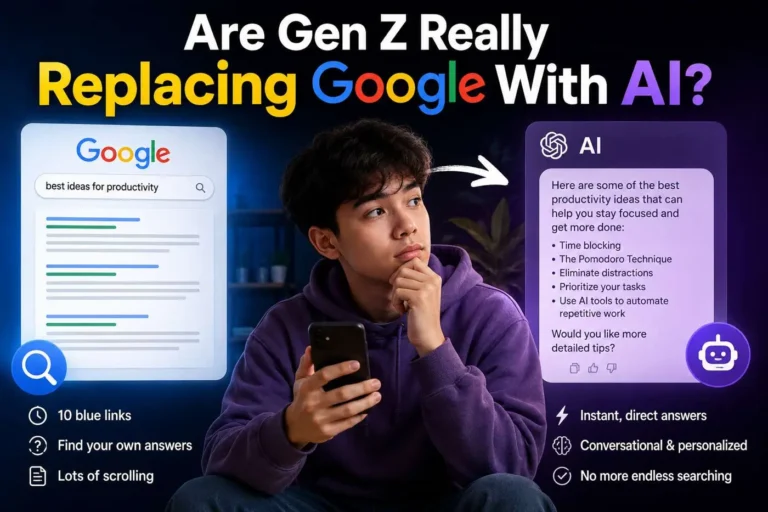
Surveys generally show younger people adopt AI tools faster. See Gen Z and AI: How Generation Z Is Using Artificial Intelligence.
Related: Millennials vs Gen Z vs Gen Alpha: Complete Generation Guide.