TL;DR: Gen Z is digital-first, pragmatic, value-driven, creative and open about mental health. They prefer authenticity over polish, flexibility over rigid rules, and learning by video and AI over textbooks alone.
The 20 traits
- Digital natives – fluent across apps, platforms and devices.
- Mobile-first – the phone is the main screen.
- Video learners – YouTube and short-form tutorials over manuals.
- Fast researchers – they compare before they commit.
- Pragmatic with money – saving and side income matter. See Gen Z Money: Spending, Saving and Financial Habits.
- Entrepreneurial – side hustles and creator projects are normal.
- Authenticity seekers – they spot fake content quickly.
- Value-driven – care about ethics, inclusion and sustainability.
- Open about mental health – therapy and boundaries aren’t taboo. See Gen Z Mental Health and Digital Life: Trends & Statistics.
- Flexible workers – prefer hybrid or remote options. See Gen Z and Remote Work: Jobs, Preferences & Workplace Trends.
- Collaborative – co-creation, group chats, communities.
- Individual expression – style, identity and aesthetics matter. See Gen Z Fashion: Popular Styles and Trends.
- Short attention, deep niches – scroll fast, go deep on passions.
- Humour as a language – memes, irony, absurd jokes.
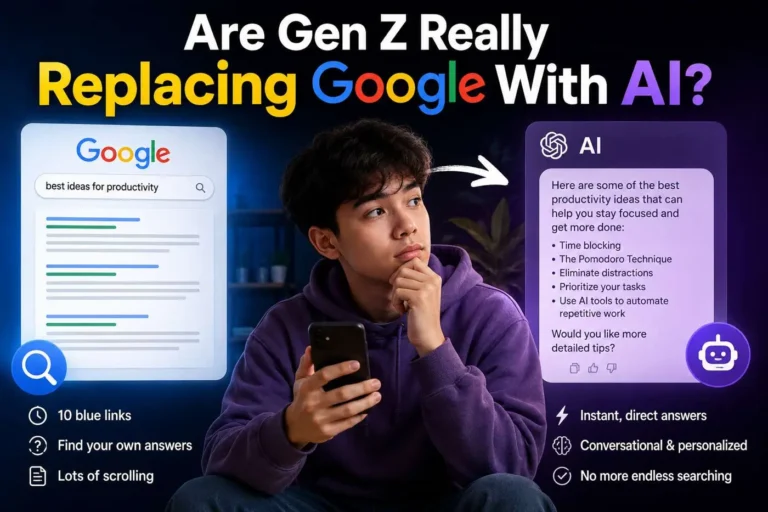
- Skeptical of hype – including AI hype. See Gen Z and AI: How Generation Z Is Using Artificial Intelligence.
- Globally connected – friends and trends across borders.
- Privacy-aware – finstas, close friends lists, private accounts.
- Experience over things – travel, events and memories. See Gen Z Travel Trends: How Generation Z Likes to Travel.
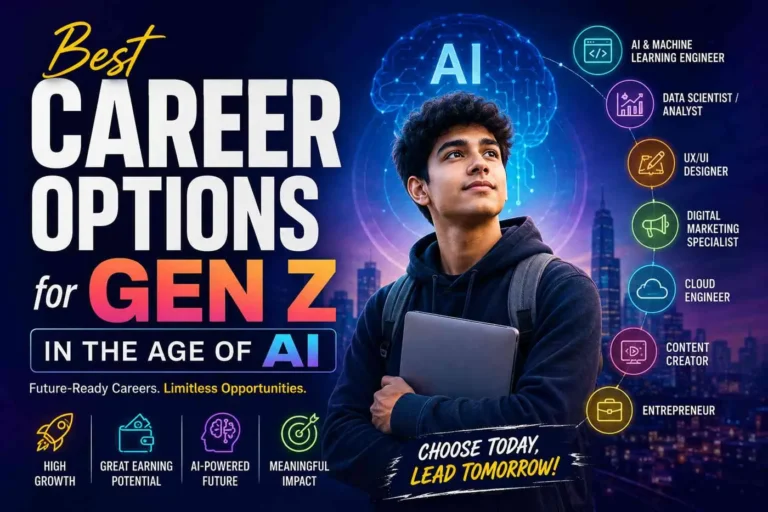
- Lifelong learners – online courses, skills over titles.
- Change-makers – they use platforms to push for causes.
A quick reality check
Traits describe trends, not individuals. Culture, income and country create huge differences within Gen Z.
Where these traits come from
Most Gen Z traits make sense once you look at the world they grew up in. Constant internet access created digital fluency and a creator mindset. Economic uncertainty made them pragmatic about money and careers. Social media exposed them to global issues early, which strengthened values like inclusion and sustainability. And growing awareness of anxiety and burnout made mental health a normal topic of conversation.
Traits in real life: three quick examples
- At college: a student uses YouTube and AI to learn a concept, a group chat to share notes and Instagram to promote a small design side hustle.
- At work: a new hire asks for clear feedback, uses automation tools to save time and logs off at 7 pm to protect their evening.
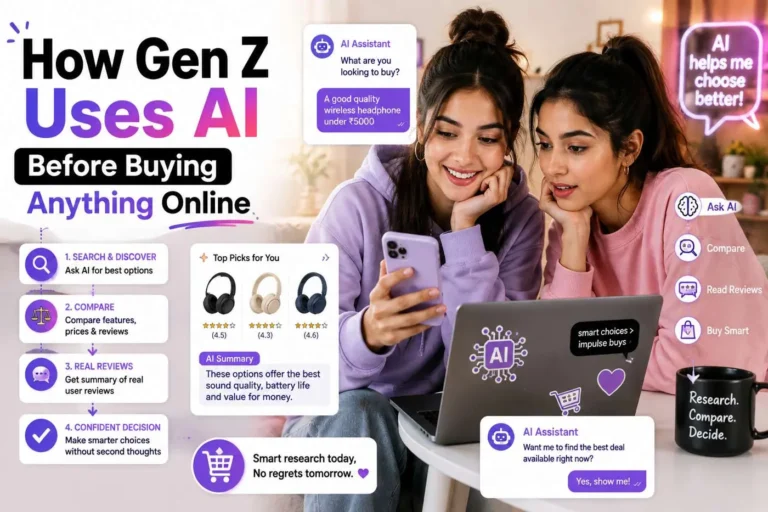
- Shopping: before buying headphones, they watch two creator reviews, check a comparison with AI and look for a cheaper dupe.
Strengths employers and brands love
Fast learning, comfort with new tools, creativity, honesty and a strong sense of fairness. Gen Z teams often spot outdated processes quickly and suggest simpler digital solutions.
Challenges Gen Z talks about
Shorter attention spans from constant notifications, comparison culture on social media, pressure to have a side hustle and uncertainty about the future job market. Many are actively building healthier habits – screen limits, offline hobbies and therapy. See Gen Z Mental Health and Digital Life: Trends & Statistics.
How Gen Z traits compare with other generations
| Trait | Gen Z | Millennials | Gen X |
|---|---|---|---|
| Tech | Born digital | Adapted early | Adapted later |
| Work priority | Flexibility + growth | Purpose + perks | Stability |
| Money | Save early, side income | Experiences, then saving | Security |
| Communication | Memes, voice notes | Emojis, messages | Email, calls |
More comparisons: Gen Z vs Millennials: What’s the Difference?.
FAQs
What is Gen Z’s biggest strength?
Adaptability – they learn new tools and platforms fast.
What is Gen Z’s biggest challenge?
Many say balancing digital life and mental health.