TL;DR: Gen Z – also called Generation Z or Zoomers – is the generation born roughly between 1997 and 2012, the most common definition used by Pew Research Center. In 2026, Gen Z is about 14 to 29 years old. They are the first true digital natives: raised with smartphones, social media and on-demand everything.
Gen Z at a glance
| Fact | Details |
|---|---|
| Birth years | About 1997–2012 (Pew Research) |
| Age in 2026 | About 14–29 |
| Nicknames | Zoomers, iGen, Centennials |
| Comes after | Millennials (1981–1996) |
| Comes before | Gen Alpha (about 2013–2024/25) |
Why they’re called Gen Z
The name continues the alphabet after Generation X and Generation Y (Millennials). “Zoomers” is a playful twist on “Boomers”. Full story: Gen Z Meaning: What Does Gen Z Stand For?.
Key Gen Z traits
- Digital natives – most never knew life without the internet.
- Pragmatic about money – many grew up hearing about recessions and rising costs.
- Values-driven – care about authenticity, inclusion, mental health and the planet.
- Creator mindset – they don’t just consume content, they make it.
- Short attention, deep interests – quick to scroll, but go deep on what they love.
The full list: Gen Z Characteristics: 20 Traits That Define Generation Z.
What shaped Gen Z
Smartphones and social media, the rise of streaming, climate conversations, a global pandemic during school or college years, and now AI tools becoming part of daily life. See Gen Z and Technology: Digital Habits and Trends and Gen Z and AI: How Generation Z Is Using Artificial Intelligence.
Gen Z vs other generations
Gen Z is often compared with Millennials (older siblings) and Gen Alpha (younger siblings). Quick comparisons: Gen Z vs Millennials: What’s the Difference? and Gen Z vs Gen Alpha: Differences, Ages & Birth Years.
Fun facts
- Gen Z is one of the largest generations on Earth – roughly a quarter of the world’s population by many estimates.
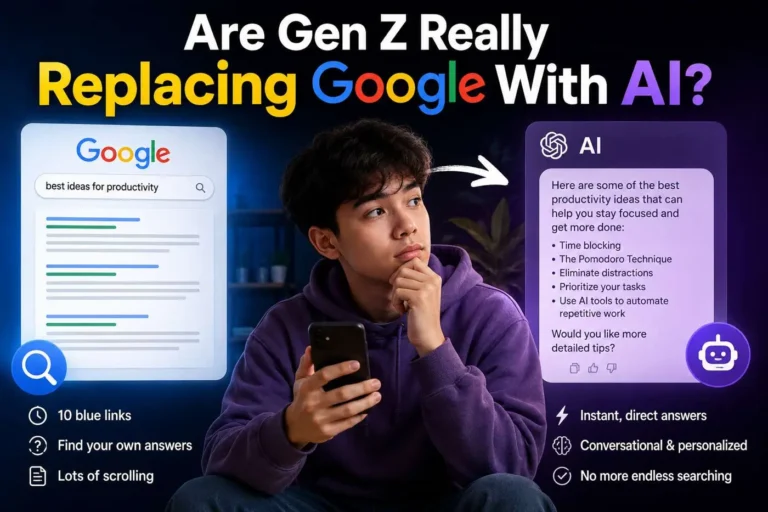
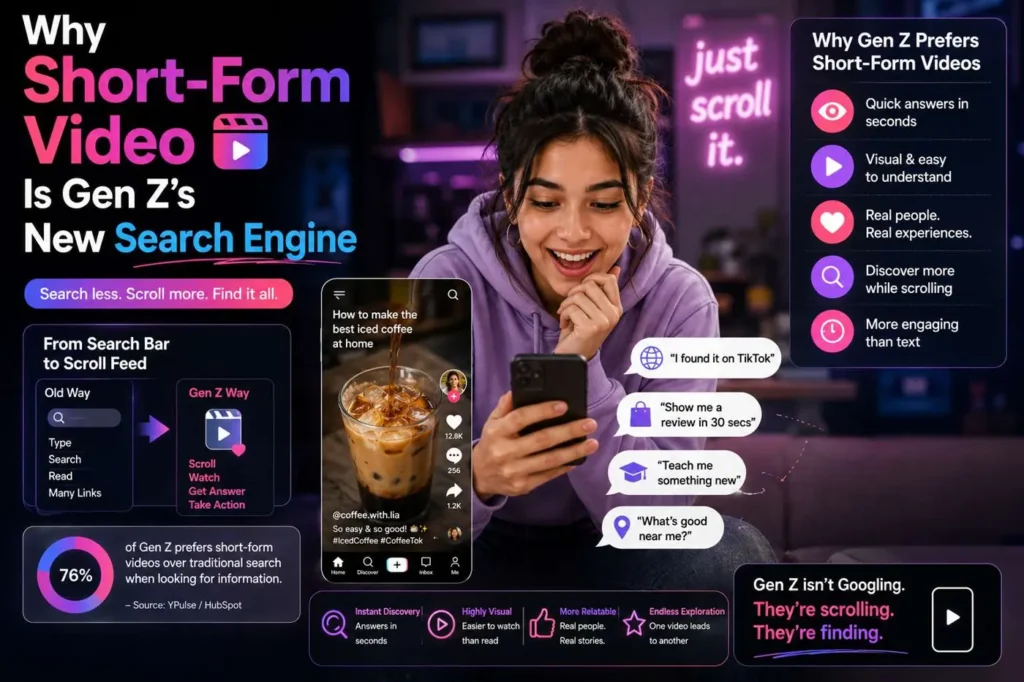
- Many Gen Z users search on TikTok, Instagram and AI tools, not just Google.
- They created much of today’s internet slang – see Gen Z Slang: 100+ Gen Z Words and Their Meanings.
More: Gen Z Facts: 50 Interesting Facts About Generation Z.
A short history of the “Gen Z” label
Researchers started talking about the generation after Millennials in the early 2010s, when the oldest members were entering their teens. Early names included “iGen”, “Centennials” and “Homeland Generation”, but “Gen Z” won because it was simple and followed the pattern of Gen X and Gen Y. When Pew Research Center fixed 1996 as the last Millennial year in 2019, 1997 became the widely accepted starting point.
What life looked like growing up Gen Z
Imagine being ten when the first iPhone launched, or never knowing a world without YouTube. For older Gen Z, childhood still had DVDs and dial-up; for younger Gen Z, tablets and streaming were normal from the start. Most went through school or college during the pandemic, which meant online classes, remote exams and a lot of time on screens. Many also grew up hearing about climate change, rising rents and uncertain job markets, which explains why so many are practical about money and careers.
How Gen Z is different in India and around the world
Gen Z is a global generation, but it is not identical everywhere. In India, cheap mobile data after 2016 put hundreds of millions of young people online almost overnight, and apps like Instagram Reels and YouTube Shorts became part of daily life. In the US and Europe, Gen Z grew up with TikTok and Snapchat as central platforms. In many African and South Asian countries Gen Z is a huge share of the population, while in Japan or much of Europe it is a smaller share. Local culture, income and family life shape each person far more than their birth year.
Gen Z by life stage in 2026
| Group | Ages | What’s happening |
|---|---|---|
| Older Gen Z | 25–29 | Careers, investing, moving out, relationships |
| Middle Gen Z | 19–24 | College, internships, first jobs, side hustles |
| Younger Gen Z | 14–18 | School, exams, first social media accounts |
Each group has different needs. A 28-year-old is thinking about promotions and savings; a 16-year-old is thinking about board exams and friendships.
Why understanding Gen Z matters
Gen Z is now a major share of students, workers, voters and shoppers. Teachers, parents, employers and brands all benefit from understanding how this generation thinks. For employers, that means clear growth paths and flexibility; for brands, it means honesty and real creators; for parents, it means talking openly about screen time and mental health instead of simply banning phones.
Common misunderstandings
Gen Z is often described as “always on phones”, “lazy” or “too sensitive”. The reality is more nuanced: many use phones to learn skills and earn money, many work while studying, and being open about feelings is often a strength, not a weakness. Stereotypes about any generation hide the huge differences between individuals.
FAQs
Is someone born in 1996 Gen Z?
By Pew’s definition, 1996 is the last Millennial year, but people born around 1995–1997 are often called “Zillennials” because they share traits of both.
Is 2012 Gen Z or Gen Alpha?
Pew places 2012 as the last Gen Z year; some researchers start Gen Alpha in 2010. See What Years Are Gen Z? Gen Z Birth Years Explained.